


In the modern world of work, promoting mental health is more than a trend — it is a necessity. While many companies are already implementing measures to support the mental health of their employees, there is one often overlooked dimension that has the potential to revolutionize the entire paradigm of mental health in the workplace: neuroplastic interventions.
This innovative method offers a profound opportunity to change and improve mental health that goes beyond traditional approaches. In this article, we look at the hidden power of neuroplasticity and how it HR managers can help promote mental health on a progressive level.
Neuroplasticity describes the ability of the brain to change structurally and functionally through learning and experience. This amazing property allows the brain to create new neural connections and reorganize existing ones to adapt to new information and experiences. Neuroplasticity is the reason why we can learn, adapt to change, and even experience healing after traumatic experiences.
For HR managers and companies, this means that mental health can not only be supported by managing stress and providing resources, but that targeted neuroplastic interventions can bring about long-term changes in employee mental resilience and wellbeing. This finding opens up individual opportunities to promote mental health in the workplace.
systemic coaching is an approach that uses the principles of neuroplasticity to effect profound changes in individuals' thinking and behavior. Unlike traditional coaching methods, systemic coaching not only looks at individual behavior, but also the interactions and patterns within the entire system in which the person acts. By identifying and changing these patterns, employees can develop new perspectives and learn adaptive strategies that result in long-term improvements in their mental health and resilience. This approach promotes neural adaptability and helps break entrenched thought patterns, leading to lasting changes in well-being.
neurofeedback is a technique that measures brain activity in real time to give employees feedback on how they can regulate their mental states. Through targeted training, they learn to optimize their brainwave patterns to reduce stress and improve emotional stability. This technique uses the principles of neuroplasticity to achieve long-term improvements in mental health. For HR departments, this means they can integrate a powerful, scientifically based method to support employees.
Mindfulness and mindfulness training are further approaches that make use of neuroplasticity. Studies show that regular mindfulness practices cause changes in brain regions associated with attention, emotion regulation, and stress management. By offering mindfulness courses and workshops, HR managers can provide employees with tools to strengthen their emotional resilience and promote overall well-being.
Implementing neuroplastic interventions requires more than just offering programs; it also requires strategic integration into corporate culture and practice. Here are a few steps HR managers can take:
Make sure managers and employees are aware of the benefits of neuroplastic interventions. Training and workshops can help raise awareness and promote acceptance. mentalport supports this.
Work with professionals and providers who specialize in neuroplastic methods. These partnerships can ensure that implementation is scientifically based and that programs are effective.
Monitor the impact of interventions on employee wellbeing and performance. Use feedback and data to continuously adapt and improve programs.
Neuroplastic interventions offer an exciting opportunity to take mental health in the workplace to new levels. By specifically promoting neural change, HR managers can not only achieve short-term improvements, but also bring about long-term changes in the mental resilience and well-being of their employees. By incorporating these advanced approaches into your health strategies, you can make a significant difference in mental health and the overall work environment in your organization.
Discover now for free the Mental Health Management App from mentalport and the wide range of offers for mental health promotion in our shop!
Photo by Thought Catalog upon Unsplash
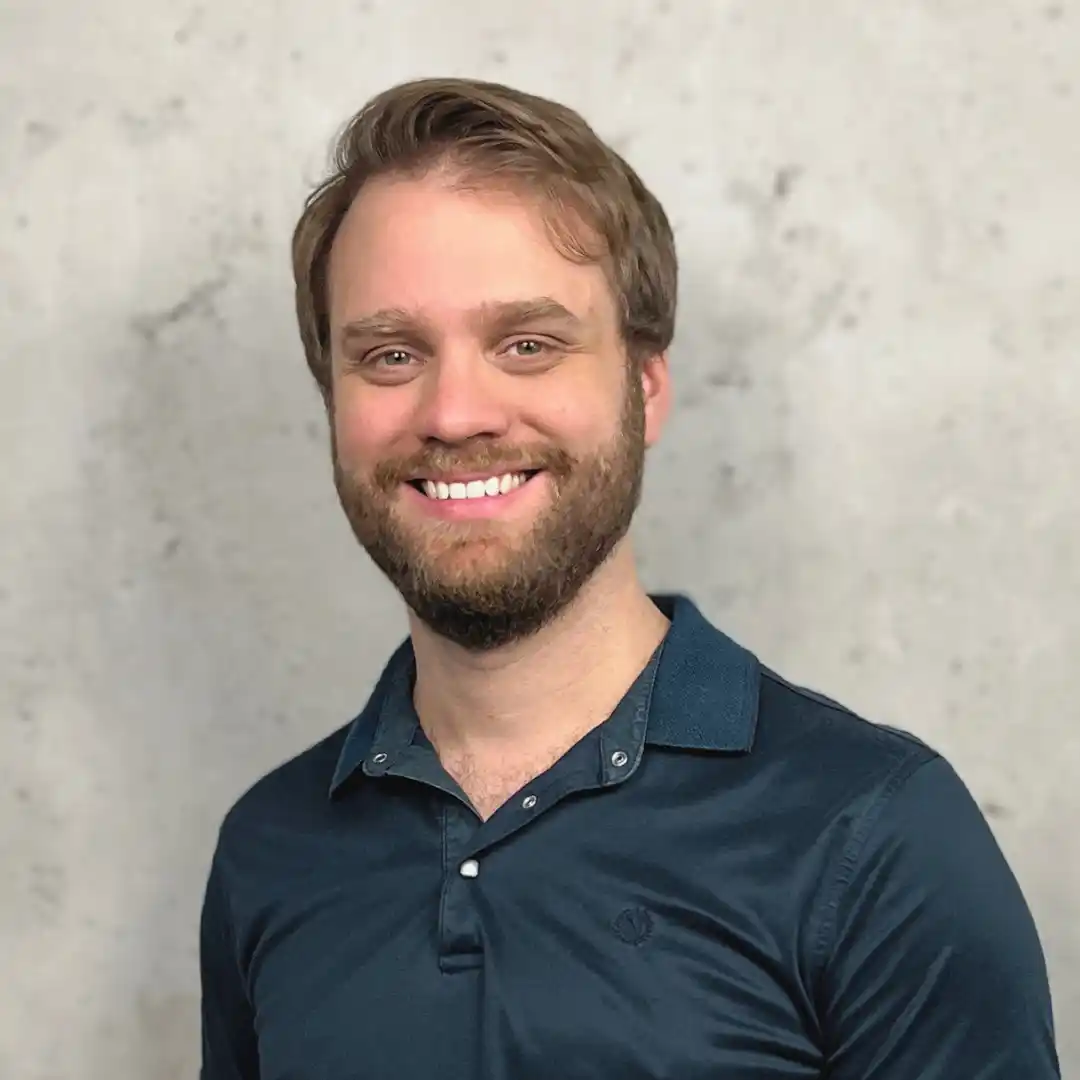
Steven Jones is a psychologist, sports scientist, biofeedback expert and Chief Psychological Officer at mentalport. With over 15 years of experience in psychological test diagnostics and neurofeedback therapy, he ran his own practice before co-founding mentalport. His expertise: evidence-based interventions, HRV-based stress management and human factors training in aviation. At mentalport, he is responsible for the scientific validation of all coaching modules and the integration of smart approaches into the app. He has always been enthusiastic about digitizing psychology.
Start now with no obligation & free of charge


.png)


-fotor-20240108171455.jpg)


