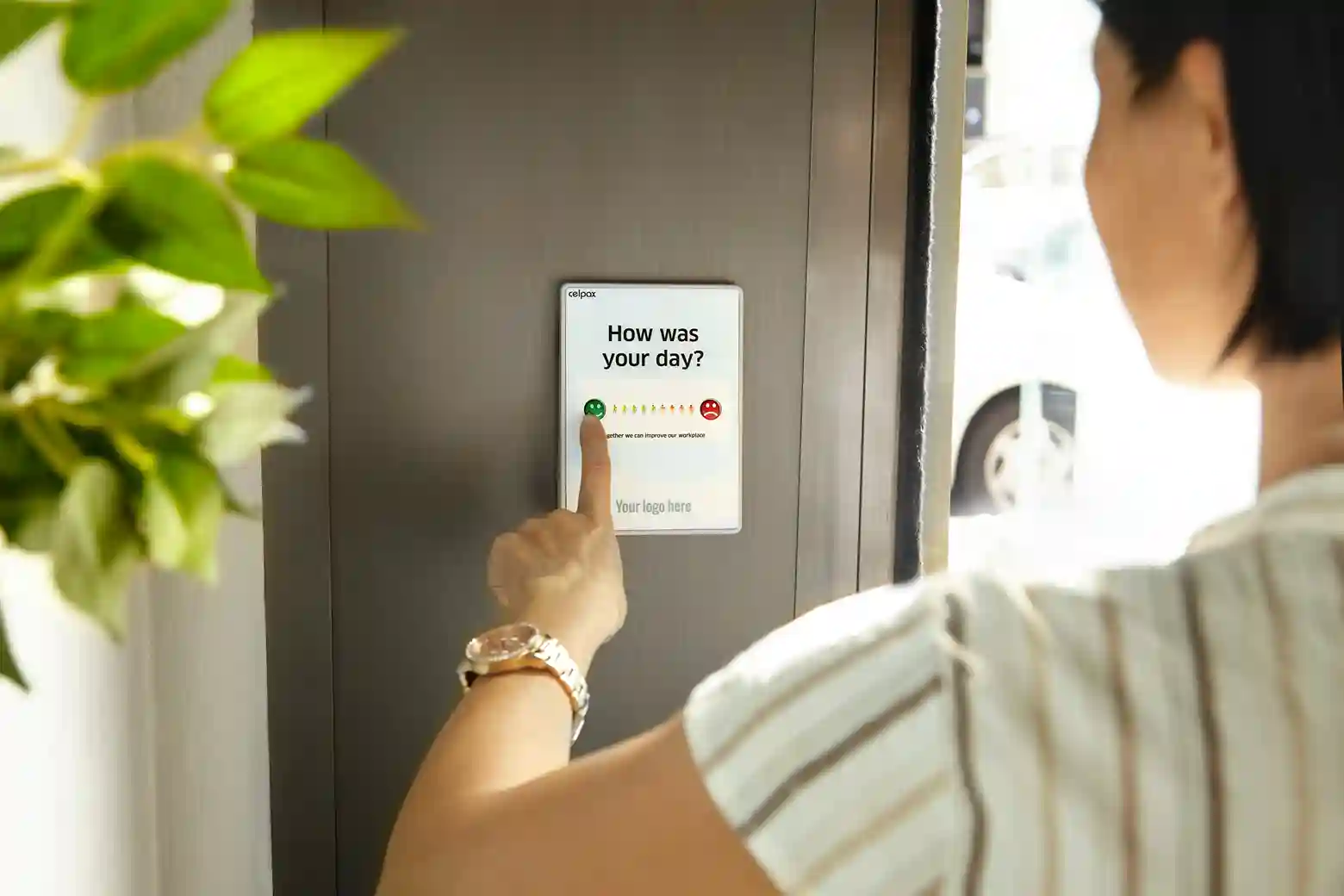
The world of work has changed significantly in recent decades. As a result of increasing digitization, constant availability and growing pressure to perform, many employees are under greater physical and mental stress than ever before. According to a study by the AOK from 2020, constant concentration, deadline and performance pressure, and a high pace of work are among the biggest Stress factors in everyday working life. These burdens not only have a negative impact on the health of employees, but also on their productivity and satisfaction.
The consequences are dramatic: rising disease rates, falling commitment and higher fluctuation. In order to counteract these developments, many companies rely on occupational health promotion (BGF). It comprises a variety of measures aimed at improving the physical and mental well-being of employees. From exercise programs to nutritional advice to stress management-Workshops — the aim is to reduce burdens and strengthen employee resilience.
Numerous studies have shown that investing in employee health is also economically worthwhile for companies. A meta-study by the Health and Work Initiative shows that companies save an average of 2.70 euros per euro invested due to fewer sick days. Healthier employees are less likely to be absent, more motivated and do more. In addition, BGF measures improve employee retention, which in turn reduces the costs of recruiting and onboarding new employees.
A practical example: A company that regularly invests in prevention programs was able to reduce its sickness rate by 20%. Through targeted measures to manage stress and promote physical activity, the company succeeded in sustainably improving employee well-being and increasing job satisfaction. This not only led to higher productivity, but also to greater employee loyalty.
In particular for Young Professionals, i.e. young professionals, occupational health promotion is playing an increasingly important role in choosing an employer. This generation not only values financial security, but also a work environment that protects their health and Work-life balance supports. Companies that offer targeted BGF measures can position themselves as attractive employers in a highly competitive job market.
According to a survey by the Federal Institute for Occupational Safety and Health, 86% of employees in companies offering BGF services are satisfied with their working environment. This figure underlines that workplace health promotion not only improves employee health, but also has a positive effect on the working environment and job satisfaction. For young talent who are looking for a long-term employer, this is a decisive factor.
Another phenomenon that is becoming an increasing challenge for German companies is the so-called Brain-Drain. This means the emigration of highly qualified specialists abroad, where better working conditions and higher salaries are often offered. This is a serious problem for the German economy, as it leads to a loss of know-how and innovative strength. Workplace health promotion can be an important lever here to counteract brain drain.
Companies that not only offer financial incentives but also actively improve the quality of life of their employees create a working environment that not only attracts but also retains talent. mindfulness training, resilience workshops and measures to promote mental health signal to employees that their well-being is the company's top priority. This not only strengthens employee loyalty to the company, but also reduces the turnover rate.
In addition to specific health programs, flexible working models also play a central role at BGF. The option to work from home or to arrange working hours flexibly gives employees more control over their time and helps to reduce stress. Especially in times of the COVID-19 pandemic, it has become apparent how important it is to give employees the flexibility to adapt their work to their personal needs.
Flexible working models enable employees to achieve a better work-life balance, which in turn has a positive effect on their health and productivity. Studies show that employees who work in flexible working models are less stressed and more productive. Companies that offer their employees this flexibility can thus gain a competitive advantage and strengthen employee loyalty.
So operational health promotion If it can have its full effect, it must be an integral part of the corporate culture. It is not enough to occasionally offer health courses or to organise a health day once a year. Instead, health promotion measures must be continuously and comprehensively integrated into everyday working life. Managers play a decisive role in this.
They must act as role models and promote a culture of health. This means that they respect the importance of breaks and the observance of work evenings and encourage their employees to actively take care of their health. Companies that integrate these values into their corporate culture create a supportive work environment that promotes the health and well-being of employees in the long term.
Regular health checks and prevention measures are another crucial aspect of the BGF. These programs enable employees to identify potential health problems at an early stage and take appropriate measures. Companies that offer regular health checks can not only monitor the physical health of their employees, but also identify psychological burdens such as stress and exhaustion.
Through prevention measures such as fitness programs, a healthy diet at work and the promotion of regular exercise, many health problems can be avoided. Companies benefit from a more productive and healthier work environment, which results in less downtime and higher job satisfaction.
With advancing digitalization, there are also new opportunities to further develop occupational health promotion. Health monitoring apps, digital fitness programs, and online coaching for stress management offer employees flexible and individually adaptable solutions to improve their health. These digital offerings enable companies to support their employees regardless of where they work and provide them with access to tailor-made health programs. Especially at a time when remote work and home office are becoming more important, digital solutions are a decisive factor in making workplace health promotion flexible and effective.
In the end, it becomes clear that workplace health promotion is much more than just a means of preventing illness. It is a strategic tool that helps companies attract and retain talent, increase productivity and compete. Young professionals in particular value a working environment that focuses on their health and well-being. Through targeted health promotion measures, companies can not only increase the satisfaction and loyalty of their employees, but also increase their attractiveness as an employer. In a working world where competition for the best talent is becoming fiercer and the brain drain is a serious threat, workplace health promotion is a decisive factor for a company's long-term success.
sources:

Lea Stupan is a user operations manager at mentalport and a master student in psychology with a focus on evidence-based research. As an expert in methodical preparation of psychosocial data, she supports the implementation of the risk assessment of psychological stress (GBU Psyche) in companies. Her focus is on researching effective prevention measures in accordance with ArbSchG and developing valid content infrastructures to reduce absenteeism. Through her scientific expertise in people risk management, she ensures the quality of measurable measures to reduce presentism and absenteeism.
Start now with no obligation & free of charge